Myprotein collagen peptides vs research peptides: the difference
Myprotein collagen peptides and research peptides are two different things that share one word. Myprotein sells a food supplement: hydrolysed bovine collagen protein powder you mix into a drink, with 20 g of collagen per serving. Research peptides such as BPC-157, GHK-Cu and TB-500 are single freeze-dried compounds in a vial, sold for in-vitro laboratory research only, each with a certificate of analysis. If you searched for the collagen drink, Myprotein is what you want; if you want a research compound, that is what we supply.
| Myprotein collagen | PureChems research peptides | |
|---|---|---|
| What it is | A food supplement, hydrolysed bovine collagen protein. | Single lyophilised research compounds (peptides) for lab use. |
| Form | Powder (also capsules in the Myvitamins range). | Freeze-dried powder sealed in a glass vial. |
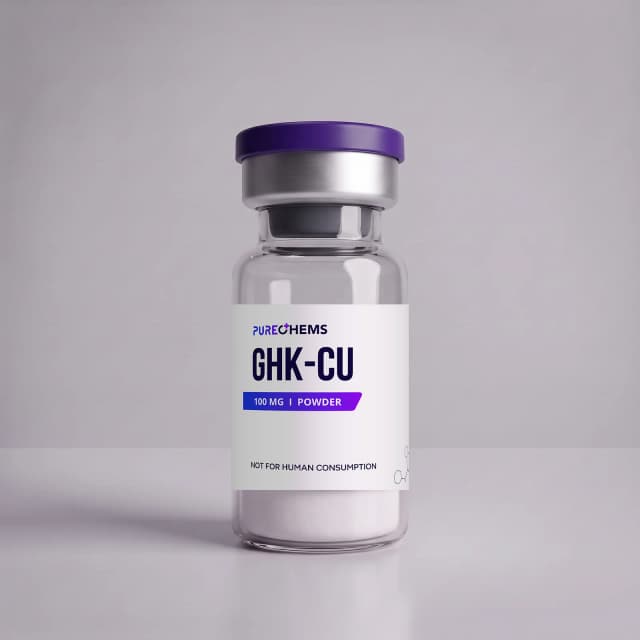
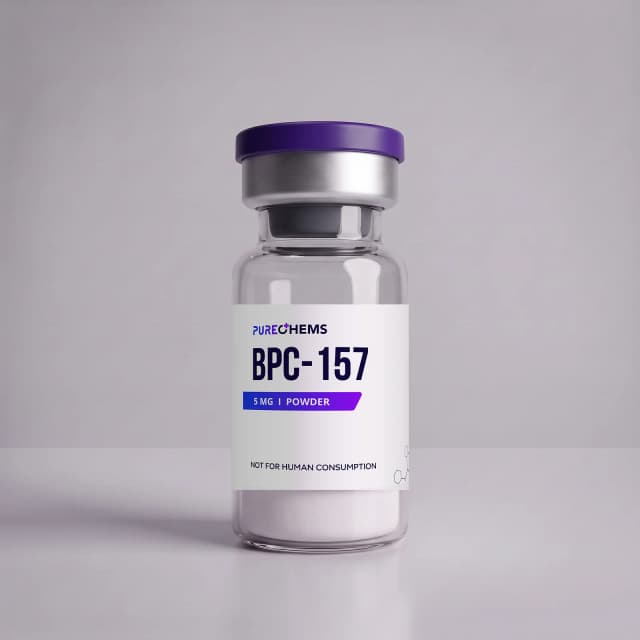
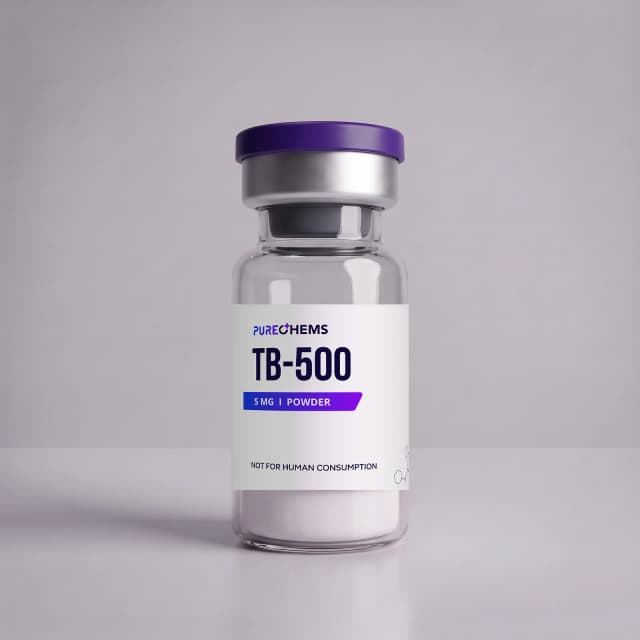
| Typical contents | 100% hydrolysed bovine collagen peptides, Type I and III, 20 g per serving. | One named peptide per vial, for example BPC-157, GHK-Cu, TB-500 or KPV. |
| Sold as | A dietary supplement you mix into a drink. | For in-vitro laboratory research only, not for human or animal use. |
| Testing shown | Nutrition panel and ingredient list on the pack. | Certificate of analysis on the product page, purity stated at 99%+ by HPLC and mass spectrometry. |
| Price example (checked 5 November 2026) | Collagen powder 600 g GBP 20.00 (was GBP 42.99), GBP 0.67 per serving. | GHK-Cu 100 mg EUR 49.99; BPC-157 10 mg EUR 49.99. |
What are Myprotein collagen peptides?
Myprotein sells collagen under the name Collagen Protein Powder. It is a food supplement: hydrolysed bovine collagen peptides, with 20 g of protein per serving, in a 600 g tub of 30 servings. The unflavoured version has one ingredient, 100 percent hydrolysed bovine collagen peptides, and there are Chocolate and Vanilla flavours too. Myprotein also sells Collagen Capsules under its Myvitamins range, with 400 mg of bovine collagen per capsule.
"Collagen peptides" here means collagen protein that has been broken into shorter chains so it mixes into a drink. The word peptide is doing a lot of work: it is the same family of molecule, but this is a bulk dietary protein, not a single named research compound. The product page does not name a branded collagen such as Peptan or Verisol, and it does not carry a certificate of analysis the way a research supplier does.
How are research peptides different?
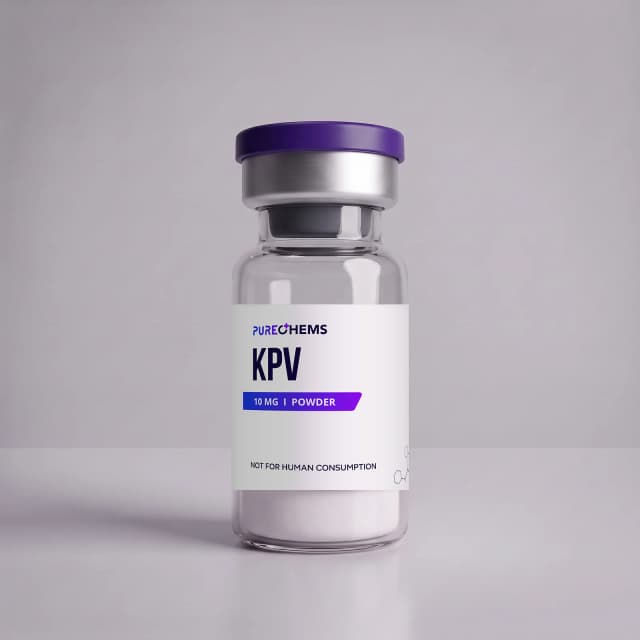
Research peptides are single compounds, made one at a time and sold in a small glass vial as a lyophilised (freeze-dried) powder. Instead of 20 g of mixed collagen protein, a vial holds a measured amount of one named peptide, for example BPC-157, GHK-Cu, TB-500 or KPV. They are studied in tissue-repair, skin and lab research, and they are sold strictly for in-vitro laboratory use, not for human or animal consumption.
The other difference is testing. We publish a certificate of analysis on the product page and state purity of at least 99 percent, checked by HPLC and mass spectrometry. A collagen supplement is sold on its nutrition label; a research peptide is sold on its COA, because the point is knowing exactly what is in the vial and how pure it is.
Does Myprotein sell BPC-157 or research peptides?
No research compound like BPC-157 was found on Myprotein in November 2026. Myprotein is a sports nutrition brand: protein powders, collagen, vitamins and similar supplements. If you searched "myprotein collagen peptides" expecting to find BPC-157 or GHK-Cu there, you were looking in the wrong kind of shop.
For comparison, iHerb does list two "BPC-157" capsule supplement products (from ProHealth Longevity) at around EUR 119 to 143. Those are capsule supplements, not lyophilised research vials with a published COA. We cover that difference in our note on iHerb peptides.
Which one do you actually want?
If you want the collagen drink, buy the Myprotein powder. It is a straightforward bovine collagen supplement, and we do not sell anything that replaces it.
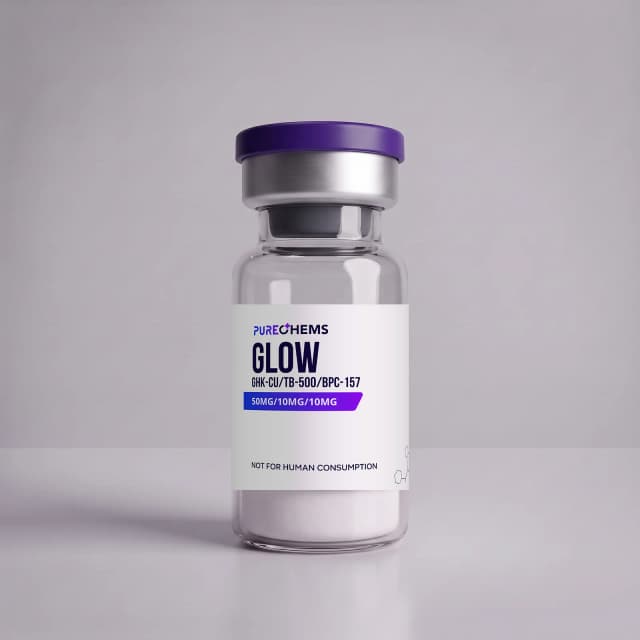
If you want a research compound, that is what we supply. GHK-Cu, BPC-157, TB-500 and KPV all come as lyophilised vials with a certificate of analysis, sold for laboratory research only. There is also GLOW, a blend of GHK-Cu, TB-500 and BPC-157. See the full range at our catalog, or compare European suppliers in our guide to the best peptide shops in Europe.
Frequently asked questions
Are Myprotein collagen peptides the same as BPC-157?
No. Myprotein collagen peptides are a bovine collagen food supplement you mix into a drink. BPC-157 is a single research compound sold as a lyophilised powder in a vial, for in-vitro laboratory research only.
Does Myprotein sell BPC-157?
No BPC-157 product was found on Myprotein in November 2026. It is a sports nutrition brand selling protein, collagen and vitamins, not a research peptide supplier.
What does "collagen peptides" actually mean?
It means collagen protein broken into shorter chains so it dissolves easily in a drink. It is the same molecule family as a peptide, but sold as a bulk dietary protein, not as a single named research compound.
Can I use research peptides the way I use a collagen supplement?
No. Research peptides such as GHK-Cu and BPC-157 are sold strictly for in-vitro laboratory research, not for human or animal consumption. Collagen powder is a food supplement, and the two are not interchangeable.
What is a certificate of analysis (COA)?
A COA is a lab report showing a compound's identity and purity, usually from HPLC and mass spectrometry. We publish one on the product page for research peptides. A collagen supplement is sold on its nutrition label instead.
Is Myprotein collagen powder any good?
It is a standard hydrolysed bovine collagen supplement, 20 g of collagen per serving, sold at about GBP 20 for a 600 g tub (checked November 2026). We supply research compounds, not food supplements, so we do not rate collagen products.
Where can I buy research peptides in Europe?
We ship research peptides across the European Union with tracked delivery. See the full range in our catalog, or compare suppliers in our guide to the best peptide shops in Europe.