The Ordinary peptide serum vs pure GHK-Cu: what differs
The Ordinary's Multi-Peptide + Copper Peptides 1% serum is a cosmetic face serum you put on your skin. It lists GHK-Cu (copper tripeptide-1) alongside other peptides inside a finished skincare formula. Pure GHK-Cu, the kind we sell at PureChems, is a single lyophilised research compound in a sealed vial, made for in-vitro laboratory work at a stated purity target of 99% or higher, checked by HPLC and mass spectrometry, not a skincare product. They share one ingredient name but they are two different things: one is a ready-to-use cosmetic, the other is a raw peptide for research use only.
| The Ordinary serums | PureChems research peptides | |
|---|---|---|
| What it is | A finished multi-peptide face serum, sold as a cosmetic. | A single raw peptide in powder form, sold as a research chemical. |
| Form | Water-based serum in a 30 ml dropper bottle. | Lyophilised powder in a sealed vial (50 mg or 100 mg). |
| Typical contents | GHK-Cu (copper tripeptide-1) plus SYN-AKE, Matrixyl synthe'6, Matrixyl 3000, ARGIRELOX, hyaluronic acid and amino acids. | One compound only, for example GHK-Cu, stated at 99% or higher purity, nothing added. |
| Sold as | Skincare for personal use. | For in-vitro laboratory research only, not for human or animal use, 18+. |
| Testing shown | Full INCI ingredient list on the pack, as cosmetics require. | Purity target 99% or higher, checked by HPLC and mass spectrometry; certificates of analysis are on the product page for most products (41 of 54). |
| Price example | Multi-Peptide + Copper Peptides 1%, 30 ml, EUR 35.30. | GHK-Cu 50 mg EUR 34.99, 100 mg EUR 49.99. |
What is The Ordinary's Multi-Peptide + Copper Peptides 1% serum?
It is a cosmetic face serum from The Ordinary, a skincare brand. The 30 ml bottle costs EUR 35.30 (checked November 2026). The brand describes it as its old 'Buffet' formula with copper peptides added, and its own text names five peptide technologies in the bottle.
On the ingredient list you will find GHK-Cu (listed as copper tripeptide-1), along with SYN-AKE, Matrixyl synthe'6, Matrixyl 3000, the ARGIRELOX peptide, hyaluronic acid and amino acids. So GHK-Cu is one ingredient among several, mixed into a water-based formula you smooth onto your skin. It is made and sold as a finished cosmetic, ready to use straight from the bottle.
What is pure GHK-Cu research powder?
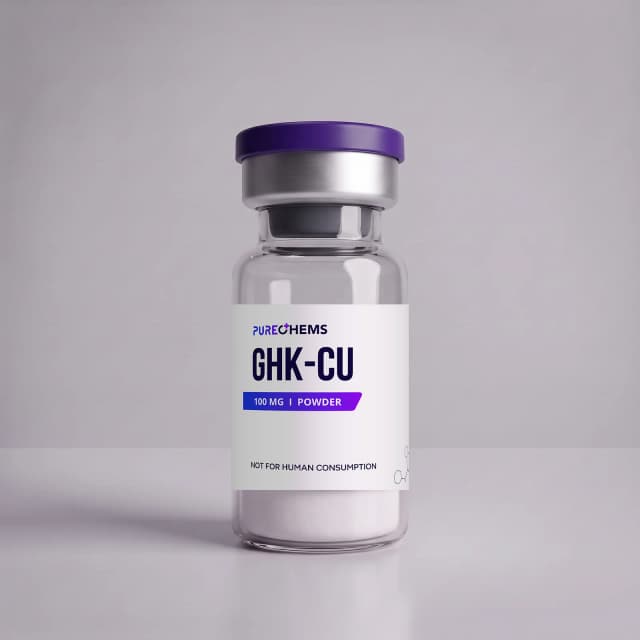
GHK-Cu, copper tripeptide-1, is a copper-binding peptide studied in skin and tissue-repair research. As a research material it is sold on its own, not blended into anything. We ship it as a lyophilised (freeze-dried) powder in a sealed vial, in 50 mg or 100 mg, at a stated purity of 99% or higher checked by HPLC and mass spectrometry.
We state a purity target of 99% or higher, checked by HPLC and mass spectrometry, on the GHK-Cu product page. Across our range, certificates of analysis are published on the product page for most products (41 of 54). It is labelled strictly for in-vitro laboratory research, not for human or animal use. You can read how we make and test each batch on our process page.
Why the serum and the powder are not interchangeable
They start from the same ingredient name but they are built for different jobs. The Ordinary serum is a cosmetic: a measured, preserved, ready formula with GHK-Cu at a fixed level inside a mix of other peptides, sold for personal skincare. Pure GHK-Cu powder is a raw single compound with no fillers, no preservative and no set concentration, sold for laboratory research.
Because of that the two sit in different worlds. The serum is regulated and sold as skincare. The powder is a research chemical with a stated purity target of 99% or higher, and it is not a skincare product. If you want a finished serum to use on your face, a cosmetic like The Ordinary's is what that is for. If you need the isolated research compound with lab documentation, that is what we supply.
What PureChems offers around GHK-Cu
We sell GHK-Cu as a research powder in two sizes, 100 mg at EUR 49.99 and a 50 mg vial at EUR 34.99 (checked November 2026). Both are stated at a purity target of 99% or higher, checked by HPLC and mass spectrometry.
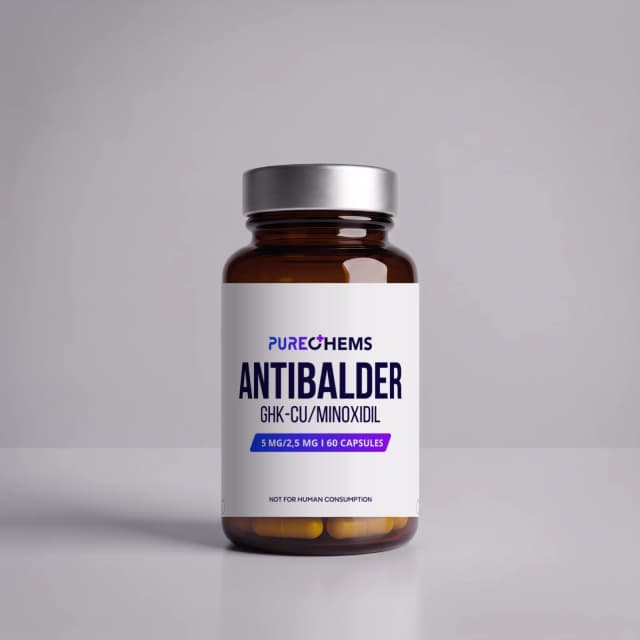
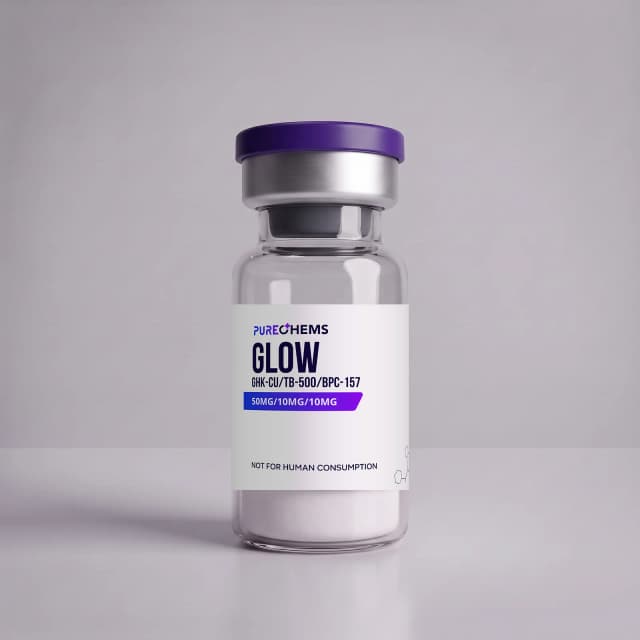
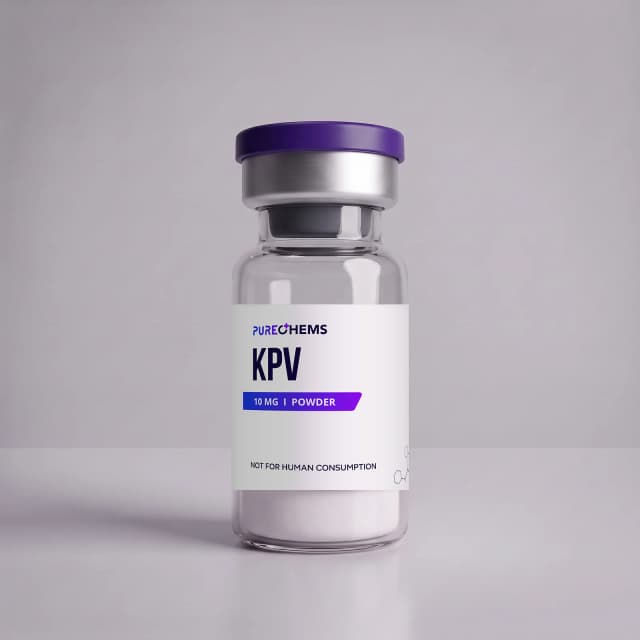
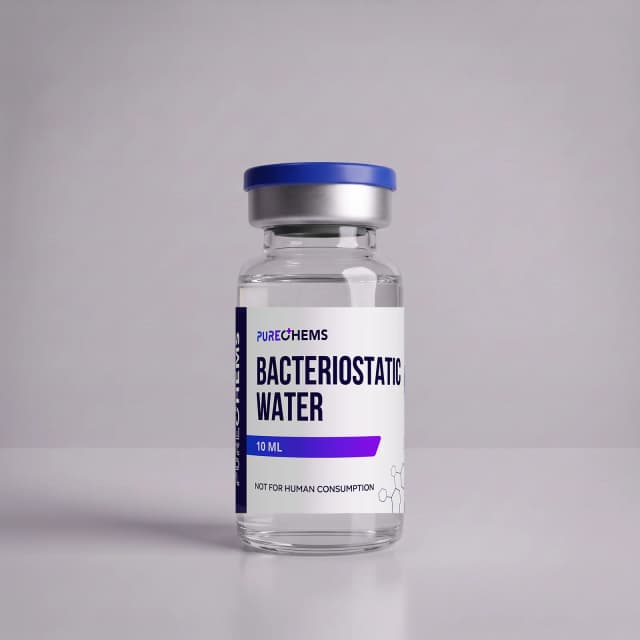
Around it we carry related research items: GLOW, a blend of GHK-Cu, TB-500 and BPC-157 (70 mg, EUR 199.99); Antibalder capsules that pair GHK-Cu with minoxidil (EUR 84.99 for 60); KPV (10 mg, EUR 29.99); and bacteriostatic water (10 ml, EUR 14.99) for reconstituting lyophilised vials in the lab. Certificates of analysis for GLOW, Antibalder, KPV and bacteriostatic water are on their product pages, as they are for most of our products (41 of 54). You can see the full range on our catalog.
Frequently asked questions
Is The Ordinary's copper peptide serum the same as GHK-Cu?
Not the same thing. The serum contains GHK-Cu (copper tripeptide-1) as one ingredient among several, inside a finished cosmetic. Pure GHK-Cu is that single peptide on its own, sold as a research powder.
Can I use research GHK-Cu powder on my skin like the serum?
No. We sell GHK-Cu strictly for in-vitro laboratory research, not for human or animal use. The Ordinary serum is the product made and sold for personal skincare.
Why is a 30 ml serum cheaper than a vial of powder?
They are different products. The EUR 35.30 serum is a diluted cosmetic with a small percentage of copper peptide in it. A vial of GHK-Cu powder is the isolated compound at 99% or higher purity, so you are paying for the raw peptide itself, not a finished formula.
What peptides are in The Ordinary Multi-Peptide + Copper Peptides 1%?
The brand names GHK-Cu (copper tripeptide-1), SYN-AKE, Matrixyl synthe'6, Matrixyl 3000 and the ARGIRELOX peptide, plus hyaluronic acid and amino acids. It is a 30 ml serum priced at EUR 35.30 (checked November 2026).
Does PureChems sell a GHK-Cu serum?
No. We sell GHK-Cu as a lyophilised research powder (50 mg and 100 mg) and in research blends such as GLOW, and in Antibalder capsules with minoxidil. We do not sell a cosmetic skincare serum.
How do I know the GHK-Cu powder is what it says it is?
We state a purity target of 99% or higher for GHK-Cu, checked by HPLC and mass spectrometry. Certificates of analysis are published on the product page for most of our products (41 of 54).